
Learning Objective #7
Introduction: The Hype Around Flexibility
The gig economy has become one of the most celebrated developments of the digital age. Platforms like Uber, DoorDash, TaskRabbit, and Fiverr promise flexibility, entrepreneurial freedom, and a tech-savvy way to work. Many business leaders and tech entrepreneurs tout these systems as innovations that empower workers to be their own bosses. But as a business management student drawing on insights from economics, ethics, and sociology, I believe this overly optimistic view oversimplifies a complex and often exploitative reality. When we look deeper, the gig economy reveals more about labor instability, digital control, and systemic inequality than it does about freedom or empowerment.
Autonomy or Illusion? The Myth of Flexibility
At first glance, the appeal of gig work seems obvious: work when you want, pick your jobs, and enjoy independence. But gig workers often find themselves managed not by human supervisors, but by algorithms. These digital systems determine how much work they get, how they’re rated, and how they’re paid—often with little transparency. From an organizational behavior perspective, this is a subtle but powerful form of control, where workers have no real voice but are constantly evaluated, tracked, and nudged into particular behaviors.
Uber’s surge pricing, for example, manipulates driver availability without offering true choice. Decline too many rides? You might be penalized. Take too long between trips? The app might flag your performance. The “freedom” offered by these platforms is often undermined by the invisible hand of algorithmic oversight.
Business Efficiency at a Human Cost
From a business strategy standpoint, the gig model is a triumph of lean operations. Companies offload employment costs—like benefits, insurance, and long-term contracts—onto workers. They scale rapidly, using minimal infrastructure, and rely on vast user and worker bases to generate profit. As a business student, I can’t deny the operational genius behind these platforms. They’ve rewritten workforce management using technology.
The Ethical Dilemma: Innovation vs. Exploitation
From an ethical lens, especially one shaped by Rawlsian fairness or utilitarian principles, the gig economy often fails to deliver justice. These platforms shift risk to workers while extracting maximum value from their labor. Is it truly fair that someone working full-time as a delivery driver or rideshare operator can still struggle to afford rent or healthcare?
Ethics courses emphasize that businesses don’t operate in a vacuum—they affect real lives. A system that extracts labor while offering little security or growth cannot be considered just, even if it is profitable.
The Psychological and Social Impact of Digital Labor
Sociologists and psychologists add another dimension to this critique. Research shows that irregular income, lack of social connection to coworkers, and being at the mercy of app-based rating systems contribute to stress, anxiety, and even depression among gig workers. Unlike traditional employment, gig work often lacks a sense of identity or community. The work is fragmented into tasks rather than careers, leaving little room for personal fulfillment or long-term development.
From a human resource perspective, this raises concerns about sustainability. Companies may be getting short-term labor at low cost, but they’re not building a loyal, skilled workforce. This could have long-term consequences not only for workers, but also for service quality and brand reputation.
Entrepreneurship Without Ownership
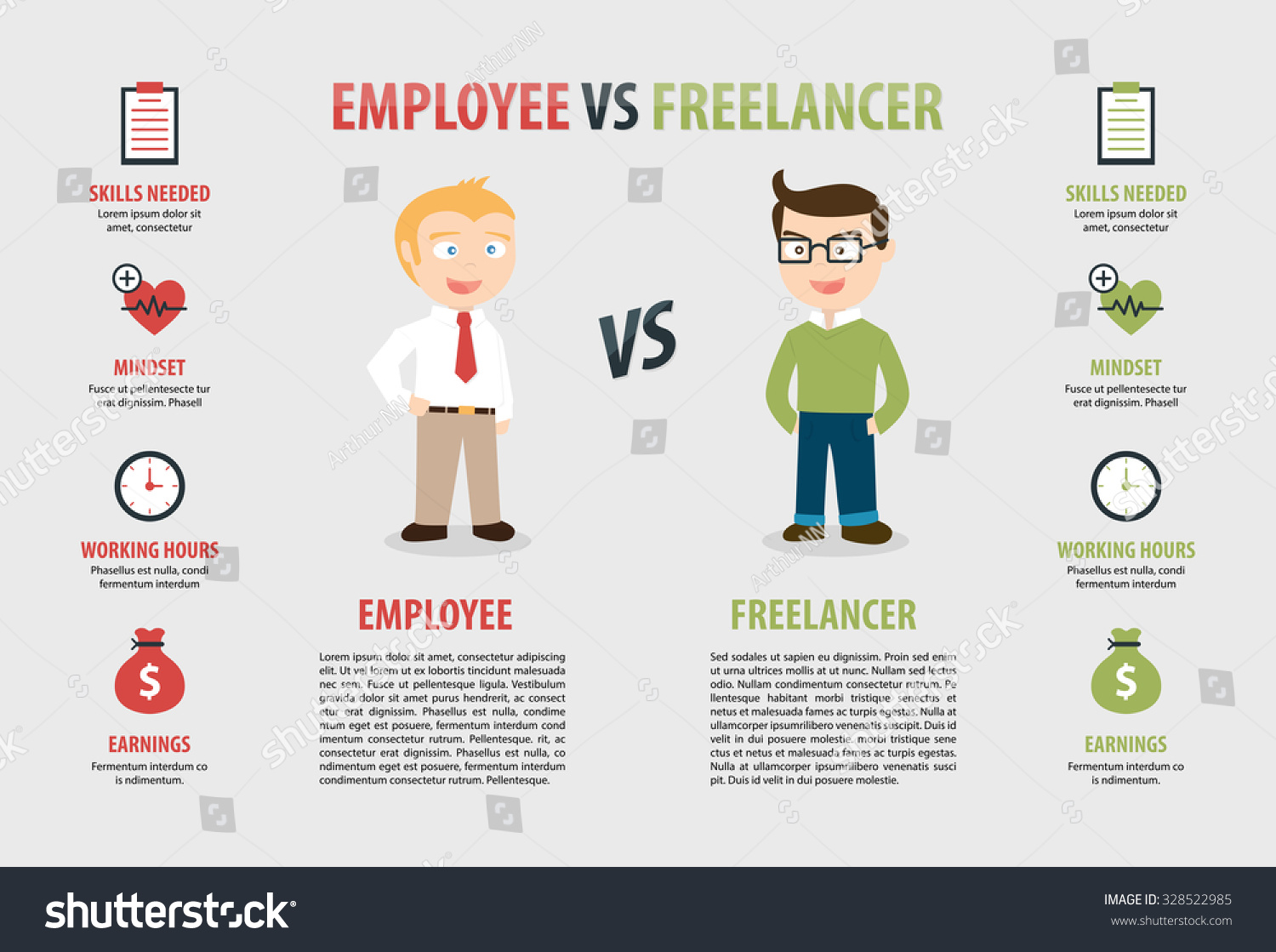
One of the most frequently repeated arguments in favor of gig work is that it fosters entrepreneurship. But here’s where a business education helps clarify the difference between true entrepreneurship and gig work. Real entrepreneurs take ownership of their business model, set their pricing, choose their markets, and build long-term value. Gig workers operate within someone else’s platform. They can’t set rates, they don’t own customer relationships, and they have limited room to innovate or scale.
Calling gig workers “micro-entrepreneurs” is misleading—it gives the illusion of empowerment without delivering the substance. It turns work into a hustle, not a pathway to ownership or stability.

Seeking Alternatives: New Models and Fairer Platforms
It’s not all bad news. Some alternative models are emerging, such as worker-owned gig platforms or decentralized apps powered by blockchain. These models aim to give workers more control, transparency, and equity in the digital labor market. Traditional businesses are also starting to experiment with hybrid employment structures that offer flexibility while still providing benefits and protections.
As future business leaders, we should study and support these innovations—not just because they’re ethical, but because they’re smart. Treating workers well is good for morale, brand loyalty, and long-term success.
The Role of Policy and Management Education
Governments also have a role to play. Many labor laws are outdated and fail to account for the blurred lines between contractor and employee in the digital age. Regulation should evolve to ensure baseline protections for all workers, regardless of how their labor is classified.
In business education, we must also rethink what success looks like. It’s not just about maximizing efficiency or shareholder returns. It’s about leading responsibly, making strategic decisions that account for people as well as profits.
Conclusion: Rethinking Work in the Digital Age
The gig economy has undeniably reshaped work in the digital era. But celebrating it as a purely positive innovation ignores the lived experiences of millions of workers who face instability, lack of protection, and limited growth. As a business management student, I see both the brilliance and the blind spots in these platforms. With interdisciplinary insight—from economics, sociology, ethics, and strategy—we can do better.
Digital platforms can be forces for good, but only if we challenge their assumptions, rethink their models, and lead with values as well as metrics. The future of work is being built now. Let’s make sure it works for everyone.
Create by: Nick Swaylik
Made with assistance from Gemini AI https://gemini.google.com/app