
Learning Objective #1
Introduction: The Digital Age Is a Human Story
Today’s world is saturated with digital tools—smartphones, streaming platforms, social media, and artificial intelligence. But behind the glossy screens and lightning-fast connectivity lies a deeply human story. The journey to our digital present was shaped by curious minds, radical ideas, and social movements that challenged the status quo. The transition from analog to digital wasn’t just about technology advancing—it was about imagination meeting need, creativity responding to crisis, and individuals daring to think decades ahead.
To understand how we arrived at this digital world, we need to look at the creative process that brought it to life, the social environments that nurtured it, and the visionaries who built the foundation for everything we now take for granted.
The Creative Process: From Giant Machines to Personal Interfaces
The digital revolution began with ideas—abstract, technical, and, at the time, wildly ambitious. In the 1930s and 40s, thinkers like Alan Turing proposed the concept of a universal machine that could perform any calculation if given the right instructions. Turing’s theoretical model was the seed for modern computing, and his work during World War II on the code-breaking machine known as the Bombe was one of the first real-world applications of computing logic.
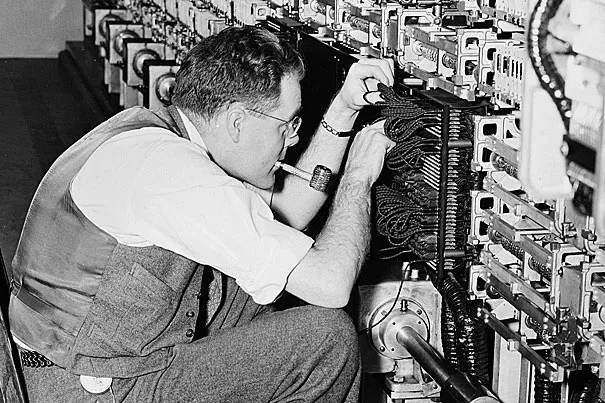
Later, in the 1940s and 50s, physical computers like the ENIAC and UNIVAC were developed—massive, room-sized machines that used vacuum tubes to process data. These early machines were not user-friendly or widely accessible, but they laid the technical groundwork for what would follow. The creative process in these early stages was rooted in engineering, mathematics, and government-sponsored research, with collaboration between scientists and institutions playing a key role.
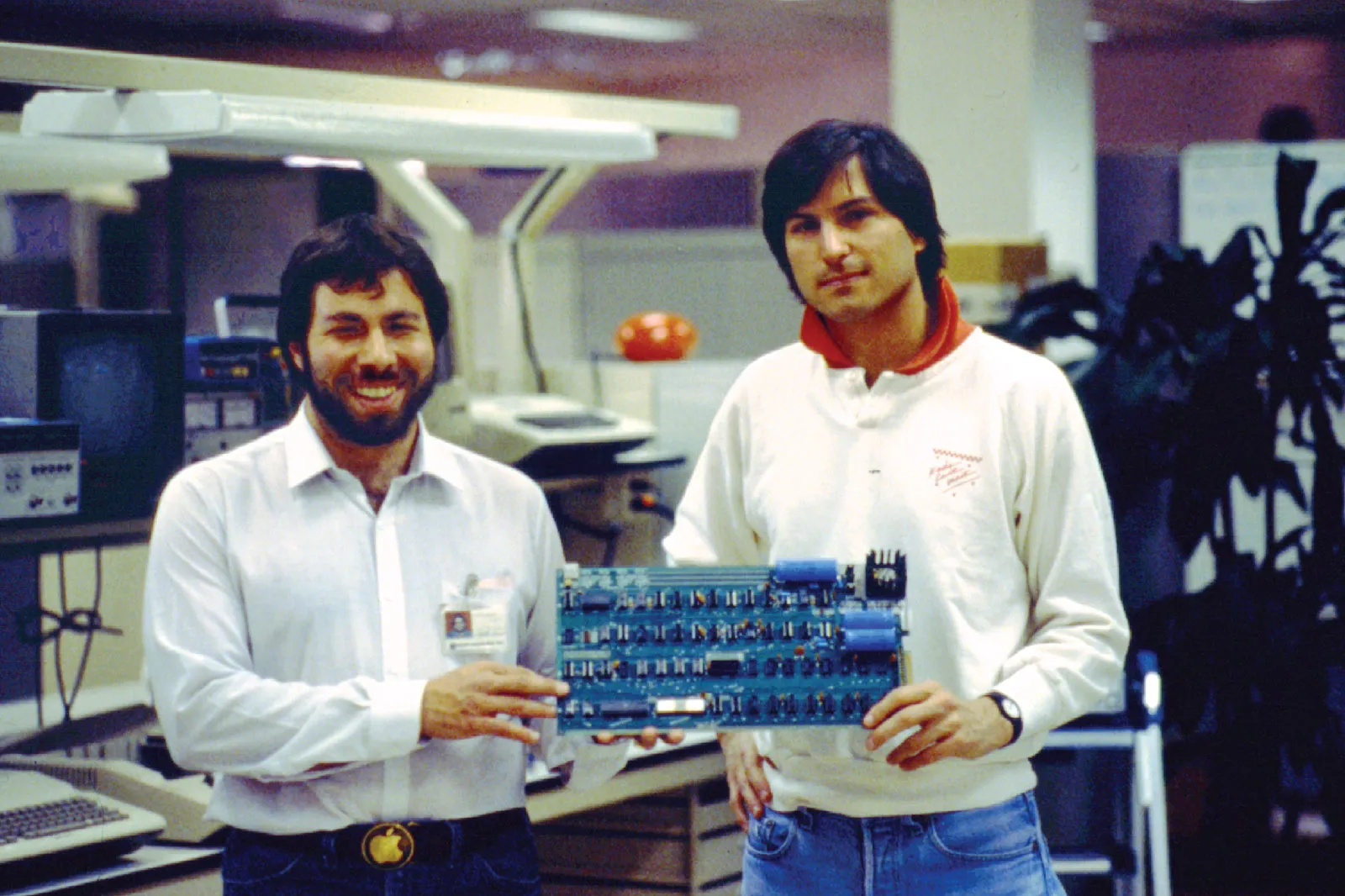
The 1970s and 80s brought a shift in the creative process toward user-centered design. Personal computers began to emerge, not just as technical tools but as consumer products. Steve Wozniak and Steve Jobs, co-founders of Apple, exemplified a new kind of creativity—one that blended technical skill with aesthetic design and intuitive interfaces. Their Apple II, and later the Macintosh, brought computing to the masses, framing it as both a personal and professional tool.
Simultaneously, software development started to flourish. Creators like Bill Gates and Paul Allen saw the potential of software as a driving force behind hardware. The introduction of operating systems, graphical interfaces, and later the internet browser transformed the way people interacted with machines. The creative process became collaborative, interdisciplinary, and increasingly entrepreneurial.
The Social Environment: War, Counterculture, and the Rise of Networks
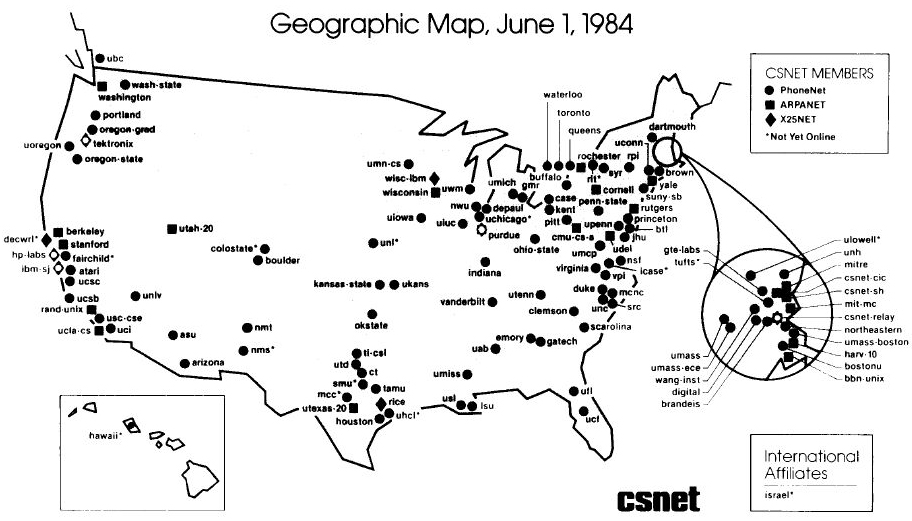
Technology does not evolve in a vacuum. The social and political context of the mid-20th century had a profound effect on the trajectory of digital innovation. The Cold War fueled intense investment in science and technology, particularly in the United States. Programs like ARPA (Advanced Research Projects Agency), created by the Department of Defense, funded much of the early work on networking technologies, including ARPANET the forerunner to the internet.
This military-driven push for innovation laid the foundation for global connectivity, but the social counterculture of the 1960s and 70s reimagined what technology could be used for. Hippies, hackers, and academics converged in places like the San Francisco Bay Area, blending the idealism of social reform with the practicality of emerging tech. Movements like the Whole Earth Catalog and the Homebrew Computer Club encouraged open sharing of information, DIY ethos, and decentralized systems.
This culture paved the way for innovations like open-source software and the early internet, which was initially free of corporate control and deeply rooted in community collaboration. The idea of technology as a tool for empowerment, creativity, and even rebellion took hold.
Colleges and universities also played a major role, fostering environments where experimentation and non-traditional thinking were encouraged. Institutions like MIT, Stanford, and Berkeley became hotbeds of digital experimentation, supported by both public funding and private curiosity.
The Visionaries: People Who Saw It All Coming
Any revolution needs pioneers—people who can see what others can’t and are willing to build what doesn’t yet exist. The digital world is full of such figures.
Alan Turing, as mentioned earlier, laid the theoretical foundation for modern computing. His work not only helped win a world war but also predicted the future of artificial intelligence, asking as early as 1950 whether machines could think.
Douglas Engelbart is another name worth remembering. In the 1960s, he envisioned and helped invent the computer mouse, hypertext, and graphical user interfaces—all concepts that would only become mainstream decades later. His “Mother of All Demos” in 1968 showed a vision of computing that included video conferencing, email, and collaborative editing—technologies we now use daily.
Tim Berners-Lee, the inventor of the World Wide Web in the early 1990s, took the internet from a tool used by researchers to a global platform for communication and information. His decision to make the web open and free was critical in shaping the digital commons we benefit from today.
And of course, Steve Jobs brought together design, technology, and marketing in ways that revolutionized personal computing, music (with the iPod and iTunes), mobile phones, and even animation through Pixar.
These visionaries didn’t just build technology they shaped culture. They saw computers not just as machines, but as extensions of human creativity and potential.
Conclusion: From Vision to Reality
The digital world we inhabit today is the result of decades of layered innovation, creative problem-solving, and social change. It’s a story of visionaries who imagined new futures, of hackers and hobbyists who experimented with code and hardware, and of social environments that allowed bold ideas to take root.
As we navigate new digital frontiers artificial intelligence, virtual reality, and beyond, it’s worth remembering that technology is never just about tools. It’s about people. The same mix of curiosity, collaboration, and courage that got us here will be needed to shape the digital future we want to live in.
Created by: Nick Swaylik
Written with assistance from ChatGPT https://chatgpt.com/