
Learning Objective #5
Introduction: What Does It Mean to Digitize?
In the digital age, we rarely stop to ask how the text we read or the music we listen to actually gets into our devices. The process of digitization—the conversion of analog information into digital formats—is at the heart of nearly every media experience we have today. Whether it’s a scanned book, a podcast, a song, or a voice memo, all begin as analog signals before they become bits and bytes. But this process is not without compromise. While digitization enables access, storage, and distribution on a massive scale, it also introduces tradeoffs related to quality, authenticity, and control.
In this post, we’ll walk through how text and sound are digitized, what’s gained in that transformation, and what we sometimes leave behind.
The Digitization of Text: From Paper to Pixel
The digitization of text may seem straightforward—type words on a keyboard, save the file, done. But when we’re talking about converting existing analog text (such as handwritten notes or printed books), the process is more complex.
It begins with scanning. A scanner captures an image of the page, essentially taking a high-resolution photo. But an image isn’t searchable or editable—it’s just a picture. That’s where Optical Character Recognition (OCR) software comes in. OCR analyzes the shapes of letters and translates them into machine-readable characters. This is how paper archives become searchable PDFs or how handwritten notes can become digital text files.
From a business perspective, digitized text has revolutionized information management. Companies can store millions of documents on a single server, access them instantly, and search them in seconds. It has also made education, legal systems, and publishing vastly more efficient and inclusive.
But there are tradeoffs. OCR software is not perfect—especially with older documents, unusual fonts, or poor handwriting. Errors can creep in. The original formatting or meaning might be altered, especially in poetic or historical texts where layout and typography matter. Digitization can also strip away the materiality of the original—its texture, weight, smell, and even marginal notes that convey context.
The Digitization of Sound: Turning Waves Into Data
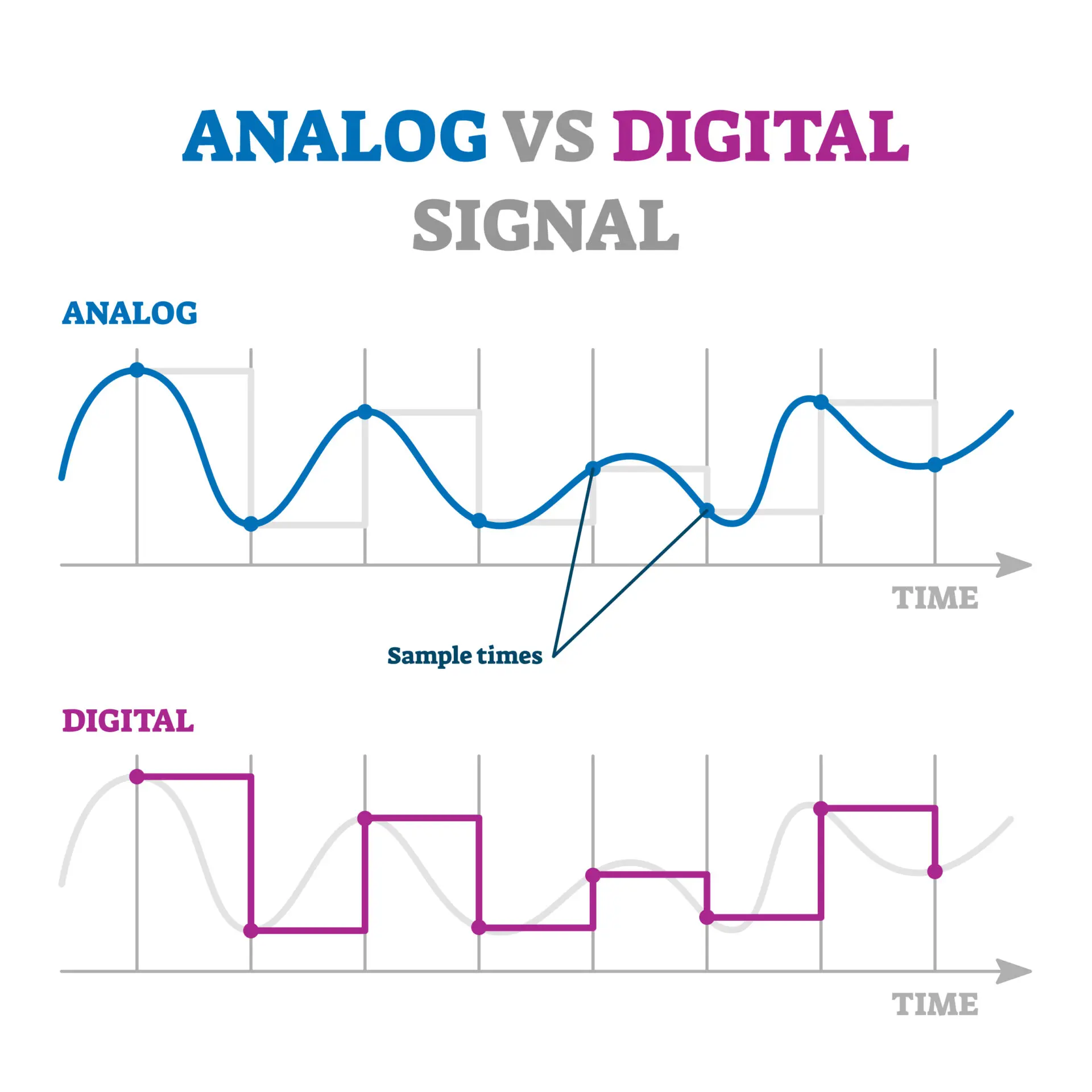
Digitizing sound is even more technical, though it’s something most of us experience every day when we listen to Spotify, watch YouTube, or use voice assistants. Sound in the natural world is analog a continuous wave that travels through the air. To digitize it, that wave must be captured and converted into a series of numbers.
This process involves two main steps: sampling and quantization.
-
Sampling is the process of measuring the sound wave at regular intervals (samples per second). The standard for high-quality audio is 44,100 samples per second (44.1 kHz), which is the sample rate used for CDs.
-
Quantization assigns each of those samples a numerical value representing the amplitude (volume) of the wave at that point.
The result is a digital audio file—an array of numbers that a computer can store, process, and play back.
The upside is huge. Digital sound is easier to edit, share, and store than analog formats like cassette tapes or vinyl. Audio quality remains consistent over time, and files can be compressed for streaming or storage. Tools like autotune, equalizers, and audio restoration software are only possible because of digital sound.
However, tradeoffs exist. The analog-to-digital process always involves some loss of information. Because the wave is sampled at intervals, you’re not capturing the full, continuous waveform—just an approximation. This is why audiophiles often prefer vinyl records for their “warmer,” more complete sound.
Compression introduces more compromises. Formats like MP3 or AAC throw away parts of the audio deemed unnecessary for human perception to reduce file size. While this enables streaming and storage on a large scale, it can affect the richness and depth of the original sound. In high-end music production or archival projects, this loss is a serious concern.

The Human Cost of Digital Convenience
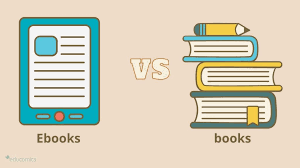
Beyond technical tradeoffs, digitization changes our relationship to the media we consume. With text, we now skim more and read less deeply. Digital articles encourage scrolling, hyperlinks, and multitasking. The book as an object—a marker of time, space, and physical presence—is often reduced to a file on a tablet. With sound, streaming services dictate what’s popular through algorithms, fragmenting music into singles and playlists instead of albums and artistic narratives.
There’s also a sociocultural cost. As more of our recorded history becomes digitized, we risk leaving behind communities whose languages, dialects, or formats don’t translate well into digital systems. Handwritten letters, analog tapes, or dialect-rich interviews can lose nuance—or disappear entirely—if digitized carelessly.
From a business management standpoint, these challenges highlight the importance of responsible digitization. Organizations must balance efficiency and accessibility with accuracy and cultural preservation. This requires not just technology, but thoughtful policy and interdisciplinary collaboration across tech, humanities, and social sciences.
The Power and Pitfalls of Permanence
One overlooked consequence of digitization is permanence. Digital files, once uploaded, can exist indefinitely. This is a double-edged sword. On the one hand, it’s a gift to archivists, researchers, and content creators. On the other, it raises issues of privacy, consent, and ownership.
With analog materials, forgetting was natural—tapes degraded, paper faded. But in a digital world, nothing really disappears. This challenges our ideas of control, especially with sound recordings or personal text that may be repurposed or remixed out of context. In the age of deepfakes and AI-generated content, the line between original and manipulated text or audio becomes increasingly blurry.
Conclusion: Digitization Is a Trade, Not Just a Tech Upgrade
Digitization has changed the way we read, listen, work, and remember. It offers incredible advantages—efficiency, access, editability, and scale. But it’s not just a neutral upgrade from analog; it’s a trade. We exchange tactile richness, imperfection, and sometimes meaning for convenience and control. Understanding this tradeoff—technically, culturally, and ethically—is essential for anyone navigating the digital revolution.
As students, creators, and future leaders, our challenge is not to resist digitization, but to shape it with awareness. That means preserving analog roots even as we embrace digital futures—and remembering that some of the most valuable things in life can’t always be reduced to ones and zeros.
Created by: Nick Swaylik
Written with assistance from ChatGPThttps://chatgpt.com/