Learning Objective #8
Introduction: The Digital Shift in How We Read
Few objects have undergone as radical a transformation in the digital age as the book. Once defined by its physical form—paper, binding, and ink—the book has now gone digital. E-books, audiobooks, and online articles dominate our daily reading habits, accessible with a tap or swipe. Apps like Kindle, Audible, and even Instagram have turned reading into a dynamic, digital activity. As a business management student and lifelong reader, I see both tremendous gains and serious trade-offs in this evolution. When examined through an interdisciplinary lens—including psychology, education, business, and sociology—it becomes clear that digital reading offers profound convenience, but at the potential cost of focus, depth, and human connection.
The Benefits: Accessibility, Convenience, and Market Expansion
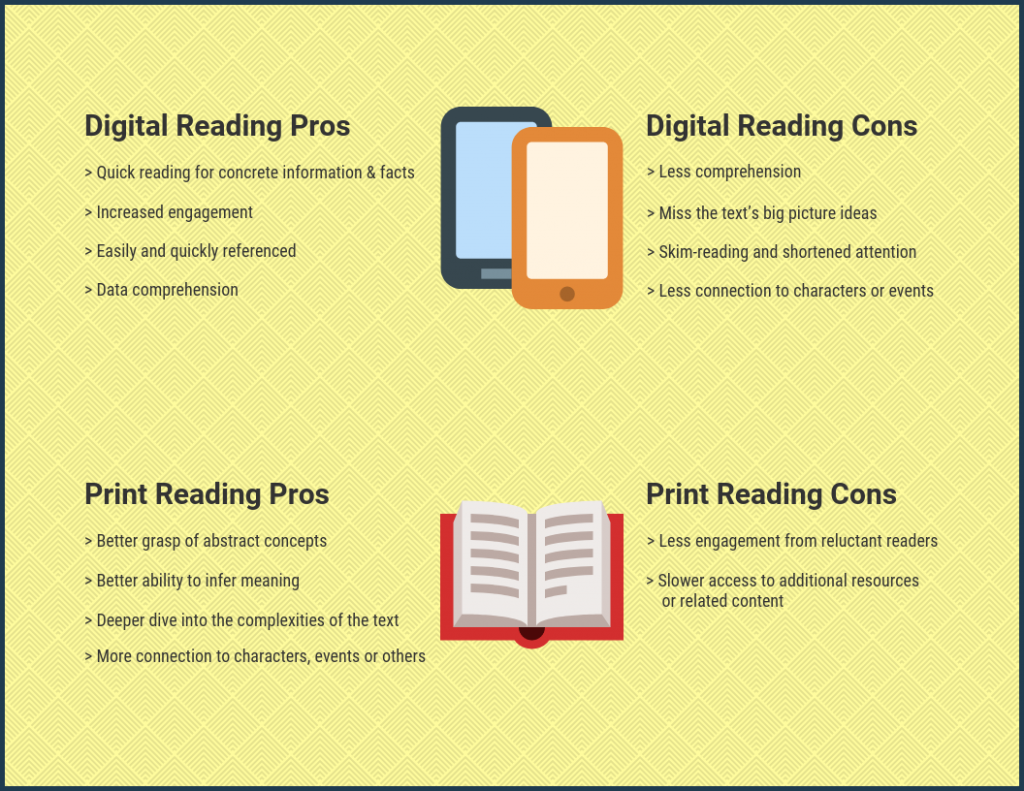
From a business and logistical standpoint, the digitization of reading has been transformative. Digital books eliminate manufacturing and distribution costs, allowing publishers to reach global audiences instantly. E-books can be sold, downloaded, and updated in seconds. This efficiency benefits both companies and consumers—books are cheaper, more portable, and increasingly customizable to individual preferences.
Accessibility is another major win. Digital reading platforms offer adjustable fonts, text-to-speech features, and multilingual options, opening literature to people with visual impairments, learning disabilities, or language barriers. Schools and universities can now provide vast libraries to students with limited resources, leveling the educational playing field in ways that physical libraries alone could not.
The explosion of audiobooks is also noteworthy. With apps like Audible and Spotify’s audiobook section, people now “read” while driving, exercising, or cooking. For busy professionals and multitaskers, this convenience is a game-changer.
The Liabilities: Focus, Comprehension, and the Erosion of Deep Reading
Yet for all the convenience, we lose something crucial when we swap physical books for screens. Psychologists and cognitive scientists have found that reading on digital devices often leads to lower comprehension and retention compared to physical books. The tactile feedback of turning pages, the visual memory of where text appears on a page, and the lack of digital distractions all contribute to better focus and deeper learning when reading in print.
Moreover, screen reading encourages skimming. With hyperlinks, notifications, and multitasking just a click away, the digital reading environment is inherently more distracting. The average reader is less likely to engage in slow, reflective reading on a screen than on paper. This matters not just for students and scholars, but for anyone trying to truly absorb complex ideas or narratives.
From an educational standpoint, this shift has consequences. Teachers report that students often struggle to engage deeply with texts when reading digitally. Annotating on a tablet is not the same as highlighting in a book or writing notes in the margin. While digital tools offer some solutions, they rarely replicate the cognitive benefits of physical interaction with text.
Psychological Impact: The Mental Cost of Digital Reading
Psychologically, the transition to digital reading can affect our relationship with reading itself. Physical books offer a form of mental rest—they are quiet, offline, and free from pop-ups or tabs. They invite immersion and focus. In contrast, reading on a tablet or phone is often interrupted by other apps, notifications, or the temptation to scroll away. This constant fragmentation of attention can erode our ability to concentrate—not just on reading, but in life more broadly.
Social psychologist Nicholas Carr argues in The Shallows that the internet is rewiring our brains to favor speed and surface over depth and patience. While not anti-technology, his position underscores the need to be intentional about how we consume digital content. If digital reading makes us more impatient and less reflective, the long-term cost may be a society less capable of critical thinking.
Social and Cultural Shifts: Losing the Library as a Community Space
Sociologically, the move away from physical books also affects public spaces and shared experiences. Libraries and bookstores have traditionally served as community hubs, offering not just access to books, but to people, programs, and a culture of quiet focus. As more content goes online, these institutions risk becoming obsolete or underfunded. That loss isn’t just about nostalgia—it’s about access, equity, and connection.

A Balanced Position: Hybrid Models as the Path Forward
Despite these concerns, the digital revolution in reading is not inherently bad. It offers real benefits in accessibility, convenience, and market reach. For some people—especially those with disabilities, time constraints, or geographic barriers—digital reading can be a lifeline. The key is not to reject digital reading, but to balance it.
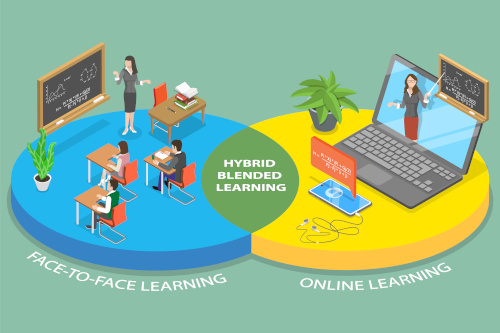
Hybrid reading models can offer the best of both worlds. E-readers that limit notifications, digital annotation tools that mimic physical note-taking, and schools that encourage both screen and print reading are all promising approaches. From a business perspective, companies should not just chase efficiency, but also consider how their platforms impact focus, comprehension, and community engagement.
As a business management student, I would argue that the most successful companies of the future will be those that support thoughtful, mindful engagement—not just rapid consumption. That means designing reading experiences that support depth as well as breadth, and that treat users as readers, not just data points.
Conclusion: Reading in a Digitized World
In the end, the digitization of reading represents both a triumph and a challenge. We’ve expanded access, lowered costs, and made literature available on a scale once unimaginable. But in doing so, we risk losing the very things that make reading valuable: focus, depth, memory, and connection. If we want a society that thinks critically, empathizes deeply, and reflects meaningfully, we must be intentional about how we read in the digital age.
A screen can hold a thousand books—but a single paper book might hold our full attention. And in that difference lies the future of how we learn, think, and grow.
Created by: Nick Swaylik
Made with assistance from ChatGPT https://chatgpt.com/