Learning Objective #6
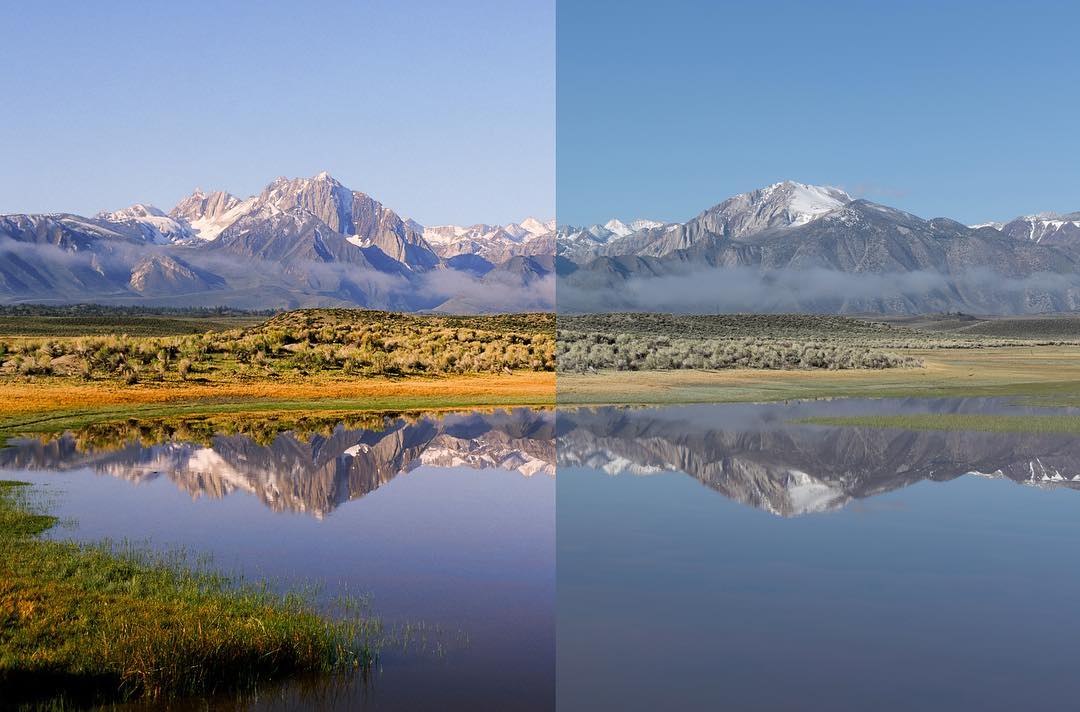
As we increasingly inhabit digital spaces, it’s easy to overlook how much our perception of the world is shaped—and sometimes distorted—by digital representations. Whether it’s a photograph of a sunset, a 3D model of a sculpture, or even an emoji meant to stand in for human emotion, we’re constantly consuming digital proxies for real-world objects and experiences. These representations are not merely convenient; they are fundamentally reshaping how we interact with reality. But what do we gain in this translation from the natural to the digital? And, perhaps more urgently, what do we lose?
Understanding the “Natural”: Grounded in Reality
At its core, the “natural” object or concept exists in a continuous, often messy, and context-dependent reality. A physical object occupies space, interacts with its environment, and possesses a unique history etched into its very being. A concept, on the other hand, is often fluid, shaped by individual experiences, cultural understanding, and philosophical debate. It’s nuanced, open to interpretation, and rarely fits neatly into a single definition. Consider a simple apple. The “natural” apple is a sensory explosion – its vibrant color, the smooth or slightly waxy texture of its skin, the crisp snap as you bite into it, the sweet and slightly tart taste, the subtle aroma. Its existence is tied to a specific tree, a particular growing season, and a journey from orchard to table.
The Gains of Going Digital: Accessibility and Beyond
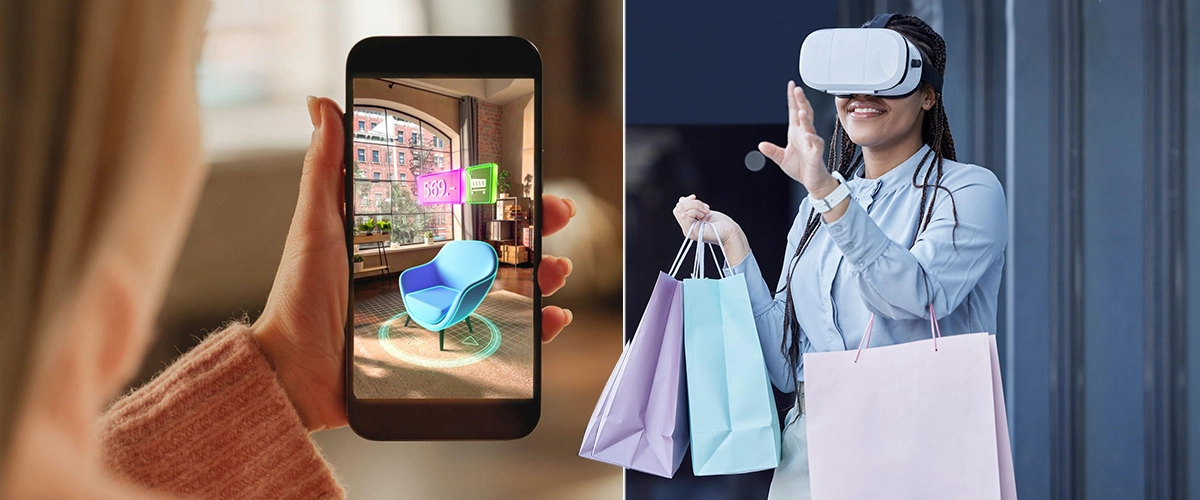
Now, contrast this with a digital representation of that apple. It might be a stunningly high-resolution photograph on your phone screen, a 3D model you can rotate, or even just the word “apple” in a recipe. What have we gained in this translation? Immediately, accessibility jumps out. That image can be shared across the globe in an instant, viewed by millions simultaneously. The 3D model can be manipulated, studied from angles impossible with the real fruit, and even incorporated into a virtual reality experience. The word “apple” can be searched, categorized, and linked to vast amounts of information. Digital representations offer unparalleled ease of storage, duplication, and dissemination. Imagine the implications for education, where rare artifacts can be studied by students worldwide, or for communication, where complex ideas can be visualized and shared with unprecedented speed.
Furthermore, digital formats allow for manipulation and analysis in ways unimaginable with their natural counterparts. We can enhance the colors of that apple photograph, zoom in on its microscopic structures in a digital scan, or analyze the frequency of the word “apple” in literature using computational tools. This opens up new avenues for understanding, creativity, and problem-solving. Think of the power of medical imaging to reveal the inner workings of the human body without invasive surgery, or the ability of climate models to simulate complex environmental changes based on digital data. The digital realm empowers us to dissect, reconstruct, and reimagine the world around us.
The Losses in Translation: Beyond Pixels and Code
However, this transformative power comes with inherent losses. The digital photograph, no matter how detailed, can never truly replicate the multi-sensory experience of holding and biting into a real apple. The subtle variations in texture, the burst of juice, the satisfying crunch – these are lost in the translation to pixels on a screen. The “aura,” as Walter Benjamin famously described it, the unique presence and history of the original object, is diminished or absent in its digital reproduction. That antique book you hold in your hands carries the weight of time, the fingerprints of previous readers, the subtle scent of aged paper – qualities a digital scan can only hint at.
Similarly, when we consider concepts, the digital representation, often a concise definition or a summary of key ideas, can flatten the rich tapestry of human understanding. The concept of “justice,” for instance, is not simply a dictionary definition. It’s a lived experience, a subject of ongoing philosophical debate, a driving force behind social movements. Reducing it to a few sentences on a webpage inevitably loses the nuances, the contradictions, and the emotional weight associated with it. The digital can provide information about justice, but it cannot fully convey the struggle for justice.
Moreover, the digital realm introduces a layer of abstraction. We interact with symbols and interfaces that mediate our connection to the underlying reality. While this abstraction enables powerful tools and functionalities, it can also distance us from the direct, embodied experience of the world. Spending hours navigating digital landscapes might offer a sense of adventure, but it’s fundamentally different from the feeling of wind on your face while hiking through a real mountain range.
There’s also the inherent fragility and dependence of digital representations. Unlike a sturdy physical object that can last for centuries with proper care, digital data is susceptible to corruption, hardware failure, and software obsolescence. The vast archives we are creating today rely on complex technological infrastructure that requires constant maintenance and updates. Furthermore, access to digital representations is not universal, creating a “digital divide” that can exacerbate existing inequalities.
Conclusion: Navigating the Digital Landscape
In conclusion, the digital revolution has irrevocably changed how we interact with objects and concepts. We have gained unprecedented access, the power to manipulate and analyze, and new avenues for creativity and communication. However, this progress comes with the loss of sensory richness, authenticity, the weight of context, and the directness of embodied experience. As we continue to navigate this evolving landscape, it’s crucial to remain mindful of these trade-offs, to appreciate the unique value of both the natural and the digital, and to strive for a balanced integration that leverages the strengths of both while mitigating their inherent limitations. The digital mirror reflects a powerful image, but it’s essential to remember that it’s just one reflection of a much more complex and multifaceted reality.
Create by: Nick Swaylik
Written with assistance from Gemini AI https://gemini.google.com/app