
Learning Objective #2
What It Means to Be Digital: More Than Just Technology
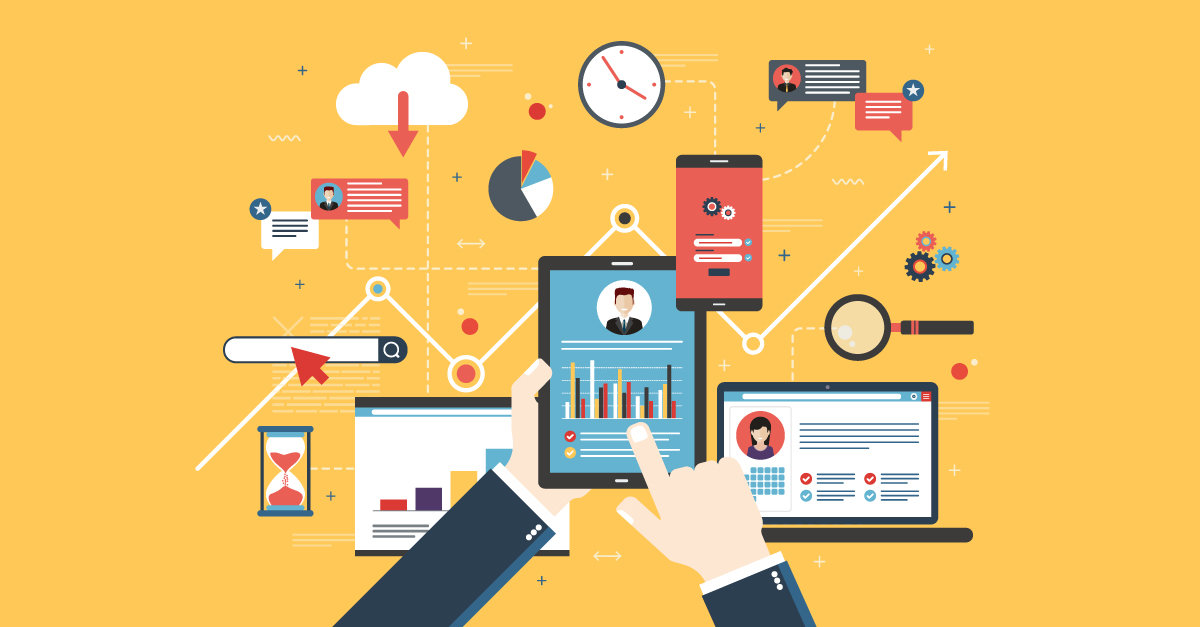
In today’s world, we often hear people, businesses, and institutions refer to themselves as “going digital” or being part of the “digital age.” But what does that really mean? At first glance, it might seem like being digital is all about using technology—owning the latest smartphone, working on cloud-based platforms, or using social media. While those are certainly pieces of the puzzle, the essence of being digital runs much deeper. It represents a fundamental shift in how we live, communicate, think, and solve problems. Being digital is not just about using new tools—it’s about adapting to a new mindset and way of operating in the world.
From Analog to Digital: A Cultural Shift
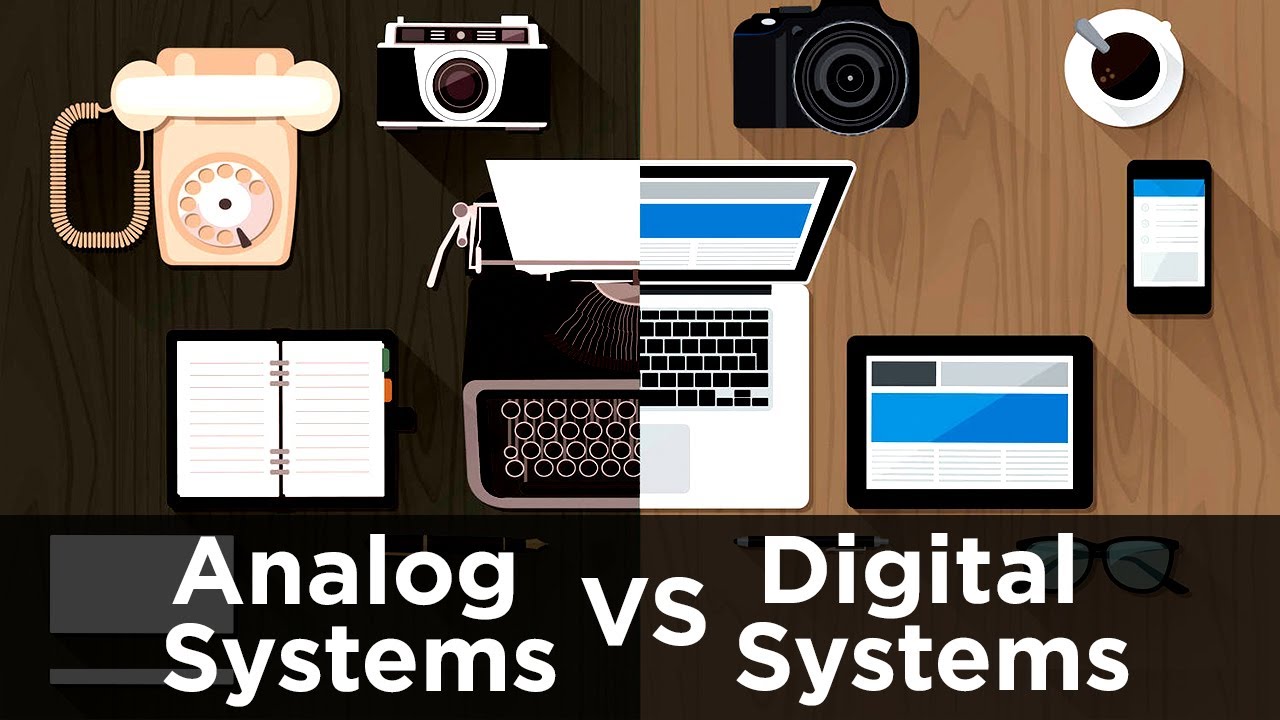
To understand what it means to be digital, it’s helpful to think about where we came from. For much of human history, information and communication were analog. We recorded sound on cassette tapes, stored data on paper, sent messages through postal services, and consumed news from printed newspapers. These methods were physical, linear, and often one-directional.
With the rise of digital technology, information is now stored and shared in binary code—1s and 0s—that can be copied, edited, transmitted, and analyzed instantly. But this change is not only technical; it’s cultural. The digital world is fast, interconnected, and interactive. Instead of waiting for the 6 o’clock news, we now get real-time updates through Twitter or live streams. Instead of reading a textbook from cover to cover, we jump between hyperlinks, videos, and interactive simulations. Being digital means embracing a world where information flows constantly and boundaries between creators and consumers have blurred.
Core Elements of Being Digital
1. Connectivity and Access
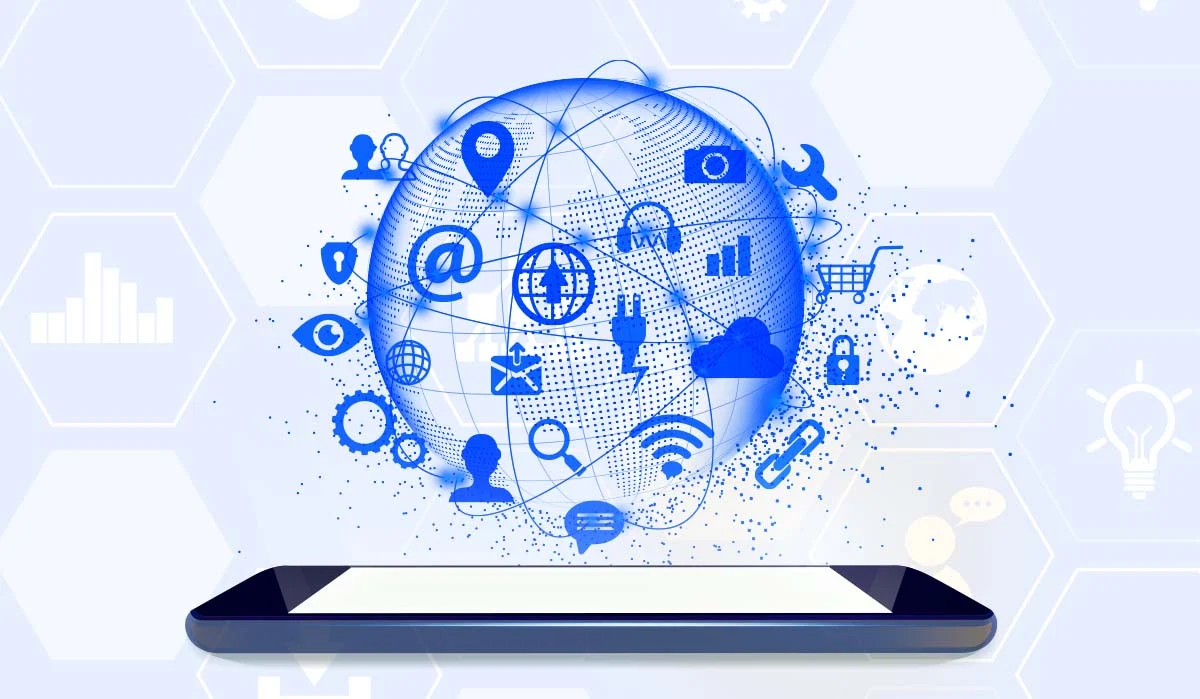
At its heart, the digital age is about connectivity. We are more connected now than ever before—socially, economically, and informationally. Being digital means having near-instant access to information, people, and services. Whether you’re video calling a friend across the globe or Googling a complex topic in seconds, access is immediate and widespread. This kind of connectivity also applies to devices themselves—our phones, laptops, and even household appliances are now part of the Internet of Things (IoT), constantly exchanging data and learning from each other.
2. Interactivity and Participation
Unlike traditional media, which was largely passive (you watched TV, read books, listened to music), digital platforms encourage participation. We comment, share, remix, and create. Social media, for instance, gives everyone a voice—whether you’re a high school student, a CEO, or a content creator in your bedroom. In the digital world, users are no longer just consumers—they are also producers. This participatory culture is at the core of what it means to be digital.
3. Data and Algorithms
Another defining trait of being digital is the role of data. Every click, search, and scroll generates information that’s stored, analyzed, and often used to influence future behavior. Algorithms—sets of rules powered by machine learning—help sort through this massive data to customize our experiences. Whether it’s your TikTok feed, Netflix recommendations, or the ads you see on Instagram, digital life is shaped by data-driven personalization. Being digital means recognizing that your experiences are increasingly curated by invisible systems that “learn” from your behavior.
4. Speed and Adaptability
The digital world moves fast. Trends, news cycles, and innovations change in a matter of days, sometimes hours. Being digital means being agile—ready to adapt to new tools, platforms, and ideas as they emerge. For businesses, this means adopting digital transformation strategies to stay relevant. For individuals, it means being open to lifelong learning and digital literacy. The skills you learn today might be outdated tomorrow, so being digital involves a mindset of constant growth and adaptation.
Why It Matters
Understanding what it means to be digital isn’t just an academic exercise—it affects how we live, work, learn, and relate to others. Digital literacy is becoming as important as reading and writing. Jobs across all industries now require at least a basic understanding of digital tools, from spreadsheets to online collaboration platforms. Social activism, political movements, and cultural trends are increasingly shaped by digital platforms. Being digital also requires a level of responsibility: protecting your data, identifying misinformation, and treating others with respect in online spaces.
More importantly, the digital transformation is not equally experienced by everyone. Access to digital tools and education still varies widely across regions and demographics. That’s why being digital also means being aware—of privilege, of accessibility, and of the need to design inclusive technologies that serve all communities, not just the most connected.
The Human Side of Digital
It’s easy to get caught up in the technology—the devices, the apps, the algorithms. But being digital is ultimately a human experience. It’s about how we choose to use technology to tell stories, solve problems, build communities, and imagine the future. The digital age offers incredible tools, but it’s up to us to shape how they’re used. Are we using AI to improve education or to automate harmful biases? Are we building online communities that uplift, or ones that divide? These are the kinds of questions that define what it really means to be digital in a thoughtful, ethical way.
Final Thoughts
So, what does it mean to be digital? It means living in a world where information is fast, connections are global, and experiences are increasingly shaped by technology. But it also means thinking critically about how we engage with these tools and how they affect our values, behaviors, and relationships. To be digital is to live in constant interaction—with data, with people, and with change itself. It’s not just about using technology—it’s about understanding its impact and using it intentionally.
Being digital is as much a mindset as it is a skill set. And as the digital revolution continues to reshape our world, understanding its essence will help us become not just users of technology, but responsible and creative digital citizens.
Created by: Nick Swaylik
Written with assistance from ChatGPT https://chatgpt.com/